ABOUT KAREN
I believe being truly heard can make a difference.
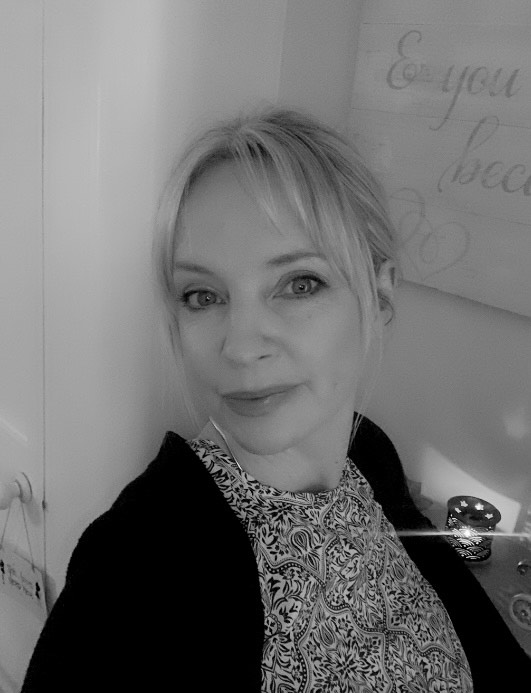
I’m Karen, a degree-qualified, BACP registered counsellor with ten years’ experience supporting people through difficult, uncertain and changing periods of their lives.
My approach is rooted in person-centred, Rogerian counselling. I believe that you are the expert in your own experience and that counselling should provide a relationship in which you can be heard, understood and accepted without judgement.
My personal journey
Like many counsellors, I have lived experience of navigating psychosocial and economic challenges throughout my life. I understand what it feels like to be dismissed, unheard and misunderstood by others, particularly at times when I most needed support and kindness.
I learned to take responsibility for my choices and mistakes, and I learned from the majority of them. I have also experienced criticism, mockery and judgement from others, as many of us have.
“I never wanted pity or sympathy, but to be accepted as I am, in the ways I experience myself and the world.”
From a young age, I have extended empathy to friends, family and others, and I have come to realise how rare it can feel to encounter someone who truly listens to understand rather than to judge, advise or fix. For me, that kind of listening can foster a genuine sense of safety.
These experiences have shaped the way I practise as a counsellor. I believe that you are the expert in your own experience and that you are your own agent. My role is not to take that authority away from you, but to work alongside you as you explore what is happening in your life.
MY APPROACH
Counselling that starts with you
My way of working is grounded in the person-centred approach developed by Carl Rogers. You may also hear this described as Rogerian or non-directive counselling.
What is Rogerian counselling?
Rogerian counselling is another name for the person-centred approach developed by psychologist Carl Rogers. It is based on the belief that people have the capacity for growth and change when they experience a relationship characterised by empathy, genuineness and acceptance.
Rather than placing the counsellor in the role of expert, the approach recognises you as the person who knows your own inner experience better than anyone else.
What does non-directive counselling mean?
Non-directive counselling means that I will not assume that I know what is best for you or direct you towards the decisions I think you should make.
Instead, I will listen, seek to understand your experience and work alongside you as you explore your thoughts and feelings. The aim is not for you to become dependent on my answers, but to develop greater trust in your own understanding and choices.
Will a person-centred counsellor give me advice?
Generally, I will not tell you what you should do. I believe that you are the expert in your own experience, even when you may not yet feel able to see a way forward.
It may sometimes feel frustrating that I do not hold the answers or give advice. However, I will work with you to explore why anyone else should have greater authority over your experience than you do.
What if I want a counsellor who listens rather than tells me what to do?
Then my way of working may suit you. I aim to offer a relationship in which you can speak openly without needing to meet someone else’s expectations or defend the way you feel.
I will bring empathy, honesty and acceptance to our work together while respecting your autonomy and your right to find the way forward that is right for you.
What I believe
You are the expert in your own life
I have an optimistic view of human beings. We can experience tension between who we are and who we believe we should be in order to be accepted by others. Yet we are the only people who experience our own inner thoughts and feelings. I believe that most of us have the capacity to make the decisions that are right for us, even when we are not yet aware of it.
Sometimes we need someone alongside us
Life can force us to face difficult circumstances and changes that are hard to manage alone. When we are overwhelmed, we can make choices that are unhelpful or destructive. Sometimes it can feel as though there is nobody we can tell who will understand or who will not judge us.
Asking for help can be difficult
Asking for help can itself feel difficult, but sometimes doing so can be an important part of regaining a sense of control over our own lives.
The relationship matters
I believe a successful counselling relationship requires openness and genuineness, creating the conditions for trust and equality. Having an encouraging companion alongside us can help promote psychological growth, resilience and greater self-acceptance.
EXPERIENCE & LEARNING
My professional journey
My counselling practice is supported by formal academic study, ongoing professional development and experience working alongside people facing a wide range of circumstances and life changes.
Qualifications and learning
I am currently enrolled in a part-time MSc in the Psychology of Mental Health and Wellbeing. The course provides access to relevant and current psychological research, building upon my person-centred foundation and informing my current thinking and practice.
- BA (Hons) Degree in Integrative Counselling, University of Suffolk (2017)
- Diploma of Higher Education in Person-Centred Counselling, University of Essex (2015)
- AQA Level 2 Counselling Concepts and Counselling Skills, Adult Community Learning College, Colchester
Continued professional learning
- Diploma in Couples and Family Therapy, Distinction
- Certificate in Cognitive Behaviour Therapy
- Certificate in Conversational Reframing
- Treating Generalised Anxiety and Panic Disorders
- Integrating Artwork into Your Counselling Practice, BACP professional development
- Sex Therapy Certification
- CACHE Level 2 and Level 3 Understanding Autism
- CACHE Level 2 Children and Young People’s Mental Health
- CACHE Level 2 Understanding the Principles of Dementia Care
Counselling and support experience
- Stroke Counsellor
Tendring Specialist Stroke Services (2023–2026) - Emotional Support Coordinator
Stroke Association, Colchester (2018–2023) - Volunteer Counsellor
Next Chapter, supporting people affected by domestic abuse (2016–2017) - Volunteer Counsellor
Mill Road Surgery, Colchester (2014–2015) - Trainee Counsellor
Colchester Institute Counselling Service (2013–2015) - Volunteer Listener
Samaritans (2012–2013)
This experience has brought me alongside people facing loss, illness, changes in identity and independence, relationship difficulties, trauma and periods when life simply feels difficult to navigate.
My commitment as a counsellor
I am a registered member of the British Association for Counselling and Psychotherapy (BACP) and commit to working within the boundaries of the BACP Ethical Framework.
Using a relational approach, I aim to encourage self-acceptance and self-determination. My practice is supported by regular professional supervision and an ongoing commitment to personal and professional development.
Thank you for taking the time to read a little about me.
I hope this has helped you get a sense not only of my experience, but of the person you would be talking to. Finding a counsellor whose way of being and working feels right for you is important.
If you have a question, or think my approach could be helpful to you, you are very welcome to get in touch.
Karen
“`